


Are your daily stand-up meetings helping or hurting your team’s productivity?
Many project managers and their teams approach their daily stand-up with a sense of dread. It's meant to be an energizing check-in, but it drags on and steals time from a day that has barely started.
Does this sound all too familiar?
The promise of Agile and Scrum is to boost efficiency and collaboration. However, in practice, the daily stand-up—an element of both— is frequently misused, becoming a significant drain on productivity rather than a catalyst for it.
As a project manager, how do you prevent a daily stand-up from becoming the least productive part of the day? This guide outlines common failure points and a simple process for running stand-ups that are quick, focused, and worth attending.
What is a stand-up meeting, and why do teams dislike it?
The stand-up meeting (also known as the daily scrum) was created to keep teams on track without adding another long meeting to the calendar. Participants typically stand to keep the discussion brief and focused. The goal is simple: synchronize activities and create a plan for the next 24 hours.
What is the problem with daily stand-up meetings?

Without effective leadership, a daily stand-up loses its purpose. The focus shifts from alignment to simply going through the motions, turning it into a repetitive ritual that wastes everyone’s time:
They become too long
The 15-minute guideline is often ignored as discussions lose focus and go off-topic. A strong facilitator should guide the conversation and table longer debates for later.
They turn into status reports.
Updates become one-way reports to a manager instead of a collaborative sync. This offers little value to peers and reinforces a top-down dynamic.
They drift into problem-solving
Teams dive into solving complex problems on the spot, rather than identifying them and moving on. This monopolizes time and kills the meeting’s pace.
They waste valuable time.
The stand-up becomes an obligation that pulls everyone away from focused work for unclear benefits, increasing context switching and reducing deep work.
How to run a stand-up efficiently by asking the right questions
The real purpose of a stand-up is to facilitate collaboration and remove impediments. It’s not about reporting up; it’s about making commitments to each other as a team.
Ask your team:
- “What problem are you currently trying to solve?” — Provides context and prevents siloed work.
- “What could you use help with?” — Proactively fosters collaboration; reframes blockers as opportunities for teamwork.
- “What are you blocked on?” — Surfaces issues that may need immediate attention or follow-up after the stand-up.
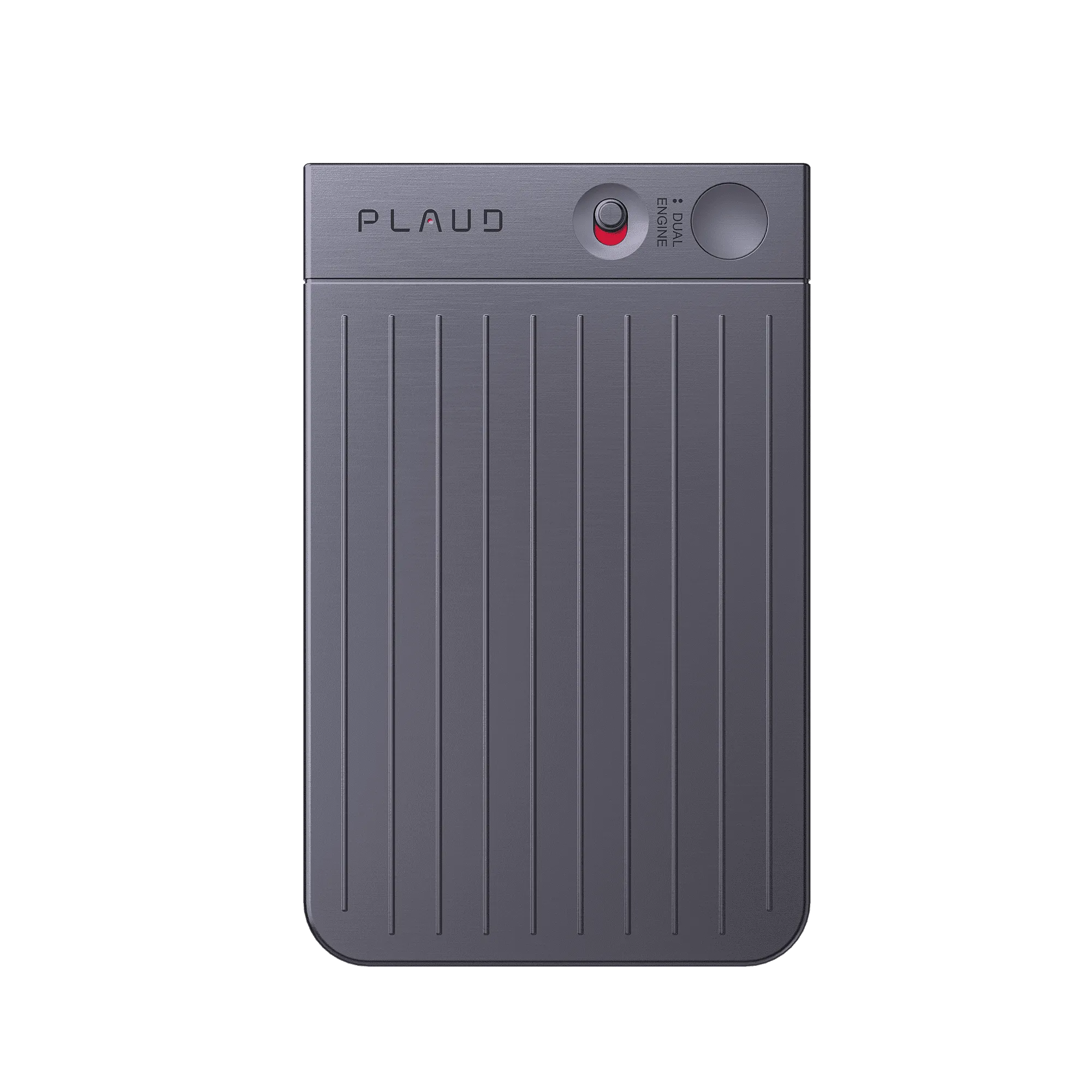
Project managers know how fast stand-ups move—and how easily an important blocker can be missed. With Plaud Note (an AI note-taking device), you can capture the entire meeting with a transcript of every decision and action point. This frees you to stay present, confident that nothing is missed and follow-ups will be clear.
Best practices to run an effective stand-up meeting
Knowing the right questions is the first step; creating the right environment is the next.
Here are five best practices every project manager should implement:
1. Keep it short and time-boxed
Fifteen minutes is the sweet spot. If you run over, you’ve slipped into problem-solving—push deep dives to follow-ups.
2. Focus on the correct information
Steer away from task lists. Effective updates focus on outcomes and obstacles, rather than just activity.
Examples:
- Bad: “Yesterday I worked on the API integration. Today I’ll keep working on it.”
- Good: “I’m working on the API integration, but hit a blocker on the auth endpoint. Can someone sync with me after this?”
- Bad: “I reviewed pull requests and will do more today.”
- Good: “Two PRs are ready to merge; one has performance concerns. Can we discuss a quick fix after the stand-up?”
3. Let the team lead, not the manager
The PM facilitates the flow but doesn’t dictate every move. Let the team drive the rhythm.
4. Establish a clear and consistent rhythm
Hold the stand-up at the same time and place (or link) every day. Consistency builds habit—and yes, standing helps keep things brief.
5. End with action and accountability
A stand-up is successful only if it leads to action. Ensure that priorities, owners, and next steps are clearly defined.
Manual notes miss details. Fast-moving conversations make it hard to capture every action item accurately. Buy Plaud Note (AI voice recorder) to record discussions into a searchable transcript and generate concise, actionable summaries with deadlines and owners.

For project managers, this means less time chasing updates and more time guiding the team. Everyone works from the same clear set of commitments—smoother workflow, fewer missed deadlines, and a stand-up that delivers value.
Alternatives to the traditional daily stand-up
If your team finds the traditional stand-up draining or unproductive, try other formats:
- Asynchronous updates: Utilize Slack, Microsoft Teams, or project boards (such as Asana/Jira) for daily check-ins that fit each person’s routine.
- Weekly or bi-weekly check-ins: For longer-horizon work with less day-to-day volatility, two or three deeper check-ins per week may be more effective than a superficial daily meeting.
Conclusion: Make your stand-up an asset, not a chore
The daily stand-up is powerful when used correctly: quick, focused, under 15 minutes, and centered on blockers and priorities. Let modern tools from Plaud.ai handle note-taking and tracking action items so you can focus on facilitating communication and clearing the path for your team to succeed.
FAQ
How often should a stand-up be held?
Most Agile teams meet daily, but some find that three times a week strikes the right balance.
Are stand-ups flexible in Agile?
Yes. Adhere to the goals—synchronization, alignment, and blocker removal—rather than a rigid script.
What to discuss in stand-ups?
Avoid deep technical problem-solving or long-winded updates. Keep momentum.
What is the format of a stand-up?
Most teams follow three questions: progress, plans, and blockers. Hold it standing, limit the session to 15 minutes, and have the PM/scrum master maintain the format.
What to say in stand-ups?
Provide context and collaborate. Refer to the examples above for phrasing that drives action.