

You’ve built a career. Managed projects. Led teams. Maybe you’ve earned degrees, spoken at conferences, or grown a business. On paper, everything looks like it's working. But behind the scenes, it might feel like you’re constantly battling yourself.
You forget small things that matter. You panic before deadlines. You create systems and abandon them. You feel emotional, foggy, overwhelmed especially when life throws one more unexpected task your way.
If this sounds familiar, it might not be “just stress.” It might be ADHD. For high-achieving women, it often goes undetected for decades.
How ADHD hides in high-achieving women
You’ve probably said this to yourself before: “I just need to try harder.” And you did. You pushed through, you adapted, you found ways to “make it work” even when it never really felt like it was working.
But the exhaustion never left. You’ve spent years looking successful in public while struggling in private. And now, you’re starting to wonder: What if it’s not just me? What if there’s an actual reason this has always felt so hard?
The high-performing mask
ADHD doesn’t always look like a distraction. For women, especially those in demanding roles, it often appears to be overcompensation. You organize your email inbox obsessively, while unopened bills pile up on the counter. You overprepare for meetings and end up forgetting to eat lunch. You stay up tweaking a presentation you already finished… just in case.
To everyone else, you’re “so on top of things.” But you know the truth: you’re constantly running mental triage, trying to keep the whole structure from falling apart.
And because you look like you’re functioning, no one suspects ADHD, not even you.

Symptoms that don’t look like symptoms
For adult women, ADHD often shows up in subtle, internalized ways. You may feel:
- Constant mental exhaustion, even after simple tasks
- Trouble getting started or finishing anything
- Emotional overreactions you can’t explain
- Chaos masked as perfectionism
- Moments where your brain just blanks out
- An inability to track time, always late, always rushing
- Being busy all the time… yet somehow, never in control
None of these clearly points to “ADHD,” and that’s the problem. They’re often dismissed as flaws, stress, or personality quirks. But they’re not. There are signs that your brain processes the world differently.
The quiet collapse: When holding it together stops working
For many women, ADHD becomes impossible to ignore after a major life shift, such as a new baby, a promotion, a health change, or even perimenopause. Suddenly, the coping strategies you built over the years stop working. And the chaos that was once in the background moves front and center.
Deadlines get missed. Small tasks become overwhelming. Emotional outbursts you can’t control creep into work and relationships. You stop recognizing the person you worked so hard to become. For the first time, you start asking why everything feels so hard.
What you can do even before a diagnosis
A formal evaluation is helpful, but you don’t need one to start understanding and managing how your brain works.

Identify your hidden friction
Start by asking:
- Where do I consistently lose time or energy?
- What tasks drain me even though they seem simple?
- Do I build systems I later abandon?
- When do I feel mentally "blank" or emotionally flooded?
Patterns in your day-to-day work often reveal where ADHD makes things harder.
Structure for how your brain actually works
Instead of strict routines, use flexible support systems:
- Set 15- to 30-minute timers to start work sprints
- Use visual aids (e.g., checklists, Kanban boards, color coding)
- Build “start-up” and “shut-down” rituals to ease transitions
- Create “default” habits for small decisions (same meals, outfits, storage spots)
The goal is reducing the number of things your brain has to keep in active memory.
Create mental margin, not just time
Women with ADHD often carry emotional overload. Protecting energy is just as important as managing tasks:
- Add 10-minute buffers between meetings
- Use templates for recurring emails or notes
- Schedule recovery time after high-focus work
- End the day by listing what’s done, not just what’s left
The tools that actually help without adding more work
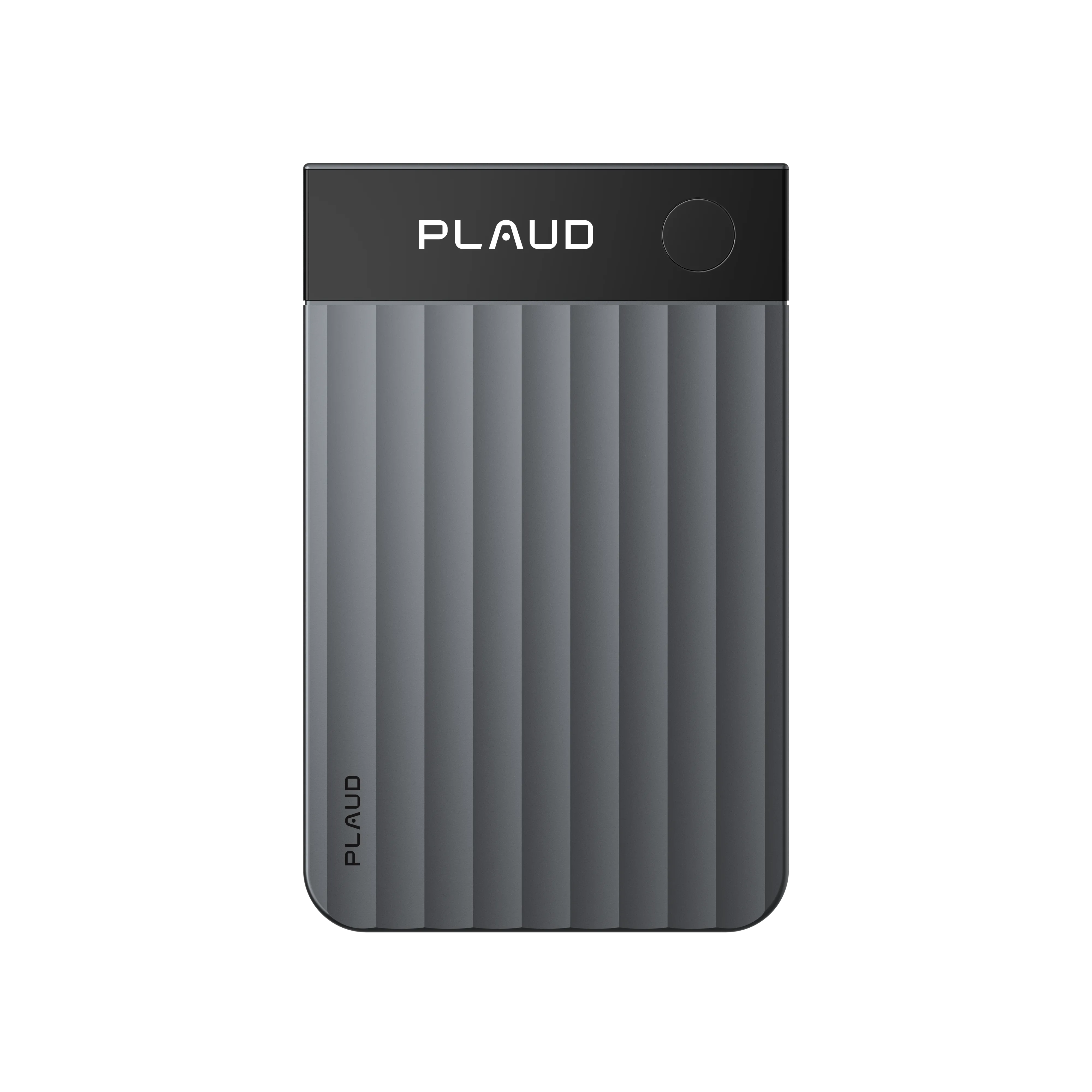
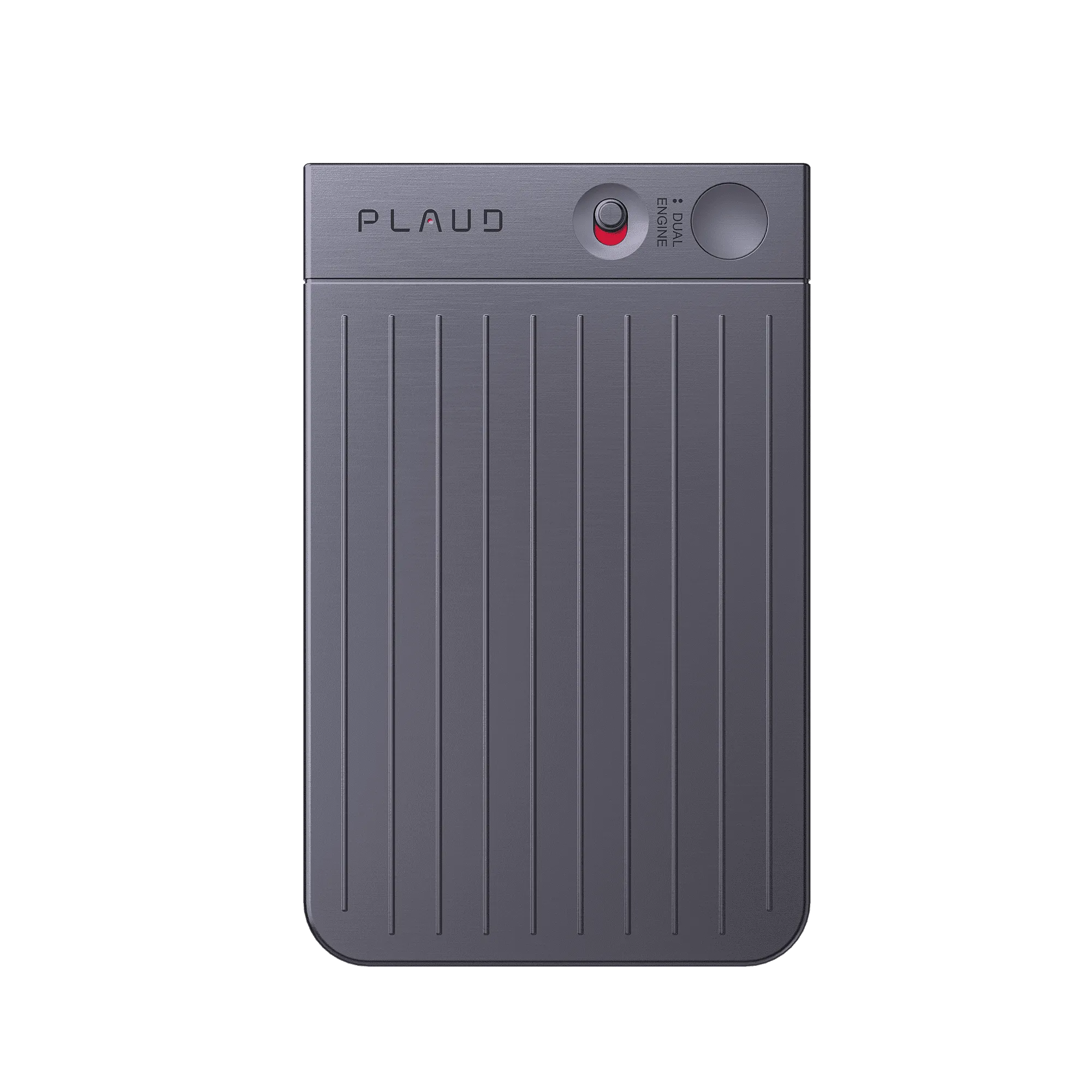
If you have ADHD, even opening the app or remembering where you stored the list can be a challenge. Plaud NotePin helps here. It’s a subtle, wearable AI assistant you clip to your clothes, so you can think out loud and let it remember for you.
How Plaud NotePin supports ADHD women at work
In high-stakes meetings where mental overload kicks in
You’re leading, listening, processing, and still expected to recall action items perfectly. Plaud captures every spoken detail, then turns the chaos into clear, structured summaries.
When verbal thinking outpaces your memory
Your best ideas often come mid-conversation or on the way to another task. Plaud records what you say, turns it into bullet points, and keeps it searchable later. You don’t need to interrupt the flow to “write it down.” Your thoughts are already saved.

In emotionally charged team calls or leadership moments
ADHD makes regulating emotions harder, especially under pressure. Plaud listens when you can’t. It creates a calm record you can revisit later, once your head is clear. No more regretting what you forgot or misunderstood.
What makes Plaud NotePin different?
- Clip it to your phone or clothes. You don’t need an extra device.
- Captures what you say and hear, perfect for meetings, calls, or sudden ideas
- Get automatic summaries instead of transcribing or scribbling half-remembered notes.
- Use simple templates for common roles like doctors, educators, entrepreneurs, and other conversation-heavy jobs.
ADHD makes it easy to forget what was said just 10 minutes ago. With a tool like Plaud, your brain doesn’t have to do all the remembering. You can be fully present in the moment and let the AI capture the rest.

It connects back to your actual challenges
Plaud NotePin maps directly to the struggles you saw earlier: forgetfulness, task overload, messy notes, and emotional burnout:
- You don’t have to remember what was said → it’s recorded.
- You don’t have to organize everything manually → it’s summarized.
- You don’t have to guess what matters → AI suggestions point the way.
You need tools that work with the brain you have and match your reality.

ADHD isn’t just a struggle
You’ve made it this far for a reason. ADHD often fuels your talent. The creativity, the pattern spotting, the instinctive leadership under pressure are not despite your brain. They’re part of it.
You’re not broken. You’re just building with different tools. And the more those tools fit your brain, the more room your strengths have to lead.
FAQ
Can ADHD suddenly appear in adulthood?
It doesn’t appear from nowhere, but many women don’t recognize it until adulthood. Changes in environment, hormones, or responsibilities can expose symptoms that were once manageable.
How do I know if I need a diagnosis?
If you’ve spent years working twice as hard for the same results and still feel like you’re failing despite external success, it’s worth exploring. A diagnosis can bring clarity and support.
Does ADHD mean I’m doomed to be disorganized?
Not at all. But your systems need to be designed for your brain, not someone else's. When you stop trying to “do productivity right” and start building around your strengths, everything changes.